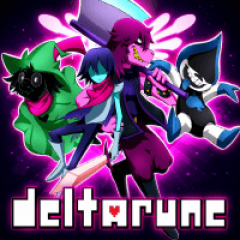
Deltarune is an amazing adventure game that emphasizes open-world exploration. Encounter powerful bosses, uncover hidden secrets, and explore new areas.
Hot on the heels of Undertale, the developer Toby Fox published Deltarune, which features a new story, character development, and gameplay mechanics that remain tightly connected throughout each chapter. Players can start their adventure from different chapters depending on their saved progress, making the game accessible for both newcomers and returning fans.
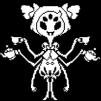
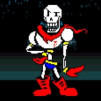
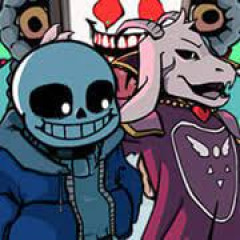
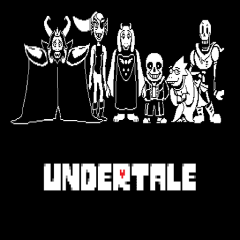
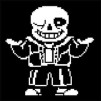
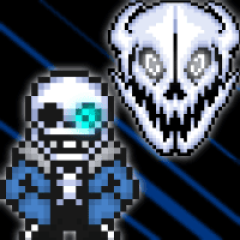
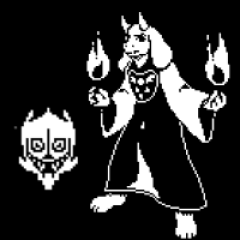
One of the most intriguing aspects of Deltarune is its cast. Players encounter new characters alongside recognizable faces from Undertale. Familiar figures such as Toriel and Sans appear throughout the adventure, creating a sense of connection for longtime fans. At the same time, Deltarune introduces entirely new protagonists and supporting characters who quickly become fan favorites. This balance between familiarity and originality helps the game appeal to both new players and veterans of Toby Fox's previous work.
The chapter-based structure allows Deltarune to gradually expand its narrative. Each chapter introduces:
Because choices and outcomes can carry over through Completion Files, players often revisit earlier content to experience different routes and uncover additional story details.
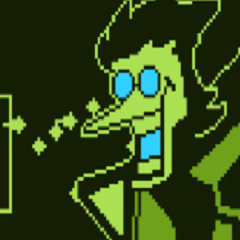
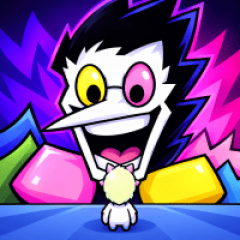
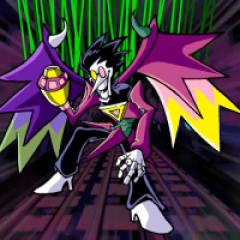
As the inspiration source of Deltarune Spamton Neo Retro Recreation, this game features various characters. The heart of Deltarune lies in its characters. Each party member contributes unique abilities, personality traits, and emotional depth to the story.
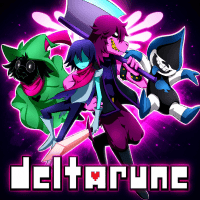
Main characters in Deltarune
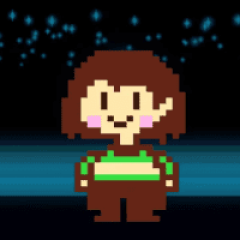
Kris serves as the main playable character throughout Deltarune. Quiet and mysterious, Kris acts as the central figure connecting the game's various storylines. While players control many of Kris's actions, the character often displays hints of independence that contribute to the game's ongoing mysteries. Kris's role becomes increasingly important as the story progresses.
Susie begins as a seemingly intimidating classmate but gradually develops into one of the game's most beloved characters. Her journey from reluctant ally to trusted friend is one of the strongest character arcs in Deltarune. Susie's aggressive personality also influences combat, providing powerful offensive capabilities during battles.
Ralsei serves as the compassionate guide of the party. Known for his kindness and optimism, Ralsei teaches players many of the game's mechanics and often encourages peaceful solutions to conflicts. His healing abilities and support-focused magic make him a valuable team member.
Noelle Holiday becomes increasingly important in later chapters. Her character development introduces emotional complexity and some of the game's most memorable narrative moments. Noelle's magical abilities add strategic depth to combat encounters and provide new options for players exploring alternative routes.
Combat is one of Deltarune's defining features. The game combines traditional turn-based RPG mechanics with real-time bullet-dodging sequences inspired by shoot-'em-up titles and classic RPGs.
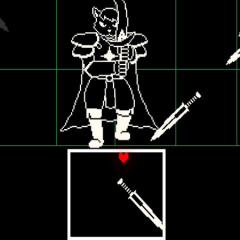
During enemy attacks, players control a heart-shaped soul inside a combat box. Rather than passively receiving damage, players must actively dodge incoming projectiles. This system transforms battles into a test of both strategy and reflexes. Enemies often introduce unique attack patterns that require observation, timing, and adaptability.
Unlike many RPGs where defeating enemies is the primary objective, Deltarune offers alternative approaches. Through the ACT system, players can:
This flexibility encourages experimentation and adds narrative depth to combat situations.
How to control
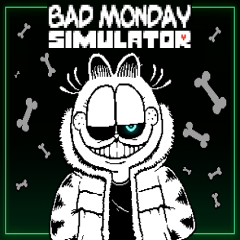
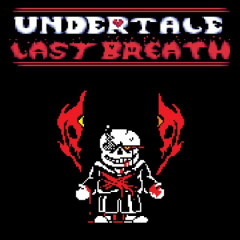
Like Bad Time Simulator, this game also offers thrilling boss fights. Boss encounters are among the most memorable parts of Deltarune. Each boss introduces unique mechanics, attack patterns, and story significance.
Several minibosses appear throughout the early portions of the adventure. Notable encounters include:
These battles help introduce players to advanced combat mechanics while advancing the narrative. Each encounter feels distinct thanks to custom attack patterns and personality-driven dialogue.
The first chapter culminates with a battle against the King. King serves as both the main boss and final boss of Chapter 1. This encounter tests everything players have learned throughout the chapter. The King's attacks are more aggressive and require careful management of party resources.
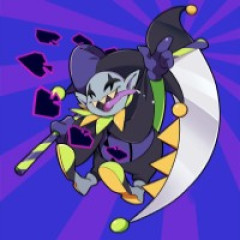
Among all Deltarune bosses, none are more famous than Jevil. Jevil is an optional Shadow Crystal boss known for his extreme difficulty. His battle features:
Many players consider Jevil one of the most challenging encounters in the entire game. Defeating him requires patience, practice, and a strong understanding of Deltarune's combat system.
Deltarune introduces meaningful decisions that can influence chapter endings.
The way players defeat major bosses can affect how a chapter concludes. These outcomes are stored within the Completion File, allowing future chapters to recognize previous decisions. This design encourages replayability while making player choices feel significant.
Unlike main story bosses, Shadow Crystal bosses generally do not alter chapter endings. However, they provide additional lore, rewards, and challenges for dedicated players seeking deeper exploration.
Managing resources is essential for success in Deltarune. The game includes a variety of consumables, equipment, and special items.
Consumables help restore health and keep the party alive during difficult encounters. Popular healing items include:
Not all items focus solely on healing.
Items such as Top Cake and SpinCake restore health to the entire party. These group-healing consumables become increasingly valuable during prolonged boss encounters.
Equipment provides another layer of customization. Armor increases defense and can also grant additional bonuses.
Equipping armor improves survivability by increasing:
Proper equipment selection becomes increasingly important as enemy attacks grow stronger.
Interestingly, not every character accepts every piece of equipment. For example, Susie refuses to wear ribbon-based armor items. These character-specific preferences add personality while encouraging players to experiment with different loadouts.
Several qualities distinguish Deltarune from other role-playing games.
Toby Fox's storytelling blends humor, mystery, emotion, and suspense. Characters feel authentic, and dialogue frequently balances lighthearted moments with deeper themes.
The soundtrack is one of Deltarune's greatest strengths. Each chapter introduces new compositions that enhance battles, exploration, and emotional scenes. Many tracks have become fan favorites within the gaming community.
Pixel animations created by Temmie bring the world to life. Character expressions, environmental details, and battle effects all contribute to the game's distinctive visual identity.
In conclusion, Deltarune continues to establish itself as one of the most ambitious indie RPG projects of its generation. Through its engaging story, unforgettable characters, innovative combat system, and exceptional soundtrack, the game delivers an experience that feels both familiar and entirely unique. Whether players are following Kris, Susie, Ralsei, and Noelle through the mysteries of the Dark World, battling powerful bosses like King and Jevil, or uncovering hidden secrets through multiple routes, Deltarune consistently rewards curiosity and experimentation. As additional chapters expand the story, Deltarune remains a must-play adventure for fans of narrative-driven RPGs and anyone seeking a creative, emotionally resonant gaming experience.